
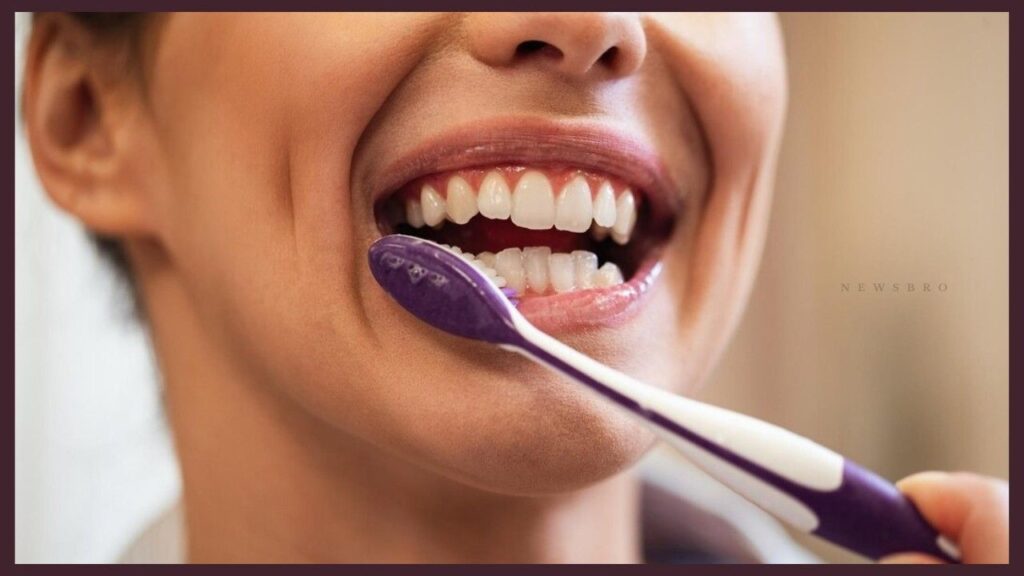
Oral health is a lifelong commitment that evolves as we age. From the first baby tooth to the challenges of maintaining strong teeth in later years, each stage of life brings unique dental needs. Understanding these changes and adopting the right practices can help ensure a healthy smile for decades to come.
Caring for Young Smiles
Early childhood is the foundation for lifelong oral health. Parents should begin cleaning their child’s gums even before teeth appear and transition to brushing as soon as the first tooth erupts. Using a soft-bristled toothbrush and a smear of fluoride toothpaste helps protect those tiny teeth from decay. Regular dental visits during these formative years are essential for monitoring growth and preventing cavities. Families in the Eastlake area can benefit from Eastlake pediatric dentistry, which specializes in creating a comfortable, positive experience for children while addressing their unique dental needs. Pediatric specialists also provide guidance on thumb-sucking habits, teething discomfort, and proper nutrition for strong teeth.
Teen Dental Health: Building Independence
As children grow into teenagers, they take on more responsibility for their oral care. This stage often introduces orthodontic treatments, sports-related dental protection, and the challenge of managing sugary snacks and drinks. Teens are also more likely to consume acidic beverages like sodas and energy drinks, which can erode enamel. Encouraging teens to maintain consistent brushing and flossing habits, even with braces or aligners, is critical. Dental professionals can provide guidance on proper techniques and recommend protective gear for active lifestyles. Mouthguards for sports and regular cleanings help prevent injuries and maintain oral health during these busy years.
Adult Oral Care: Prevention and Maintenance
For adults, oral health is about prevention and maintenance. Regular checkups, professional cleanings, and early detection of issues like gum disease or cavities are key. Stress, diet, and lifestyle choices can impact dental health, so incorporating fluoride treatments and using mouthguards for nighttime grinding may be necessary. Adults should also be mindful of cosmetic concerns, such as whitening or alignment, which can be addressed through modern dental solutions. Additionally, pregnancy and certain medical conditions can affect oral health, making routine dental visits even more important. Preventive care during adulthood sets the stage for healthier teeth later in life.
Senior Smiles: Special Considerations
As we age, oral health challenges can become more complex. Seniors may face issues like dry mouth, tooth sensitivity, or gum recession. Dentures and implants require diligent care to prevent infections and maintain comfort. Regular dental visits remain vital for monitoring oral cancer risks and ensuring that prosthetics fit properly. Staying hydrated and using specialized oral care products can help seniors maintain a healthy, functional smile. It’s also important to address medications that may cause dry mouth and to maintain a balanced diet rich in calcium and vitamin D for strong teeth and bones.
Tips for Lifelong Oral Health
No matter your age, certain habits remain essential for maintaining oral health. Brushing twice a day with fluoride toothpaste, flossing daily, and limiting sugary foods are universal recommendations. Drinking plenty of water, avoiding tobacco products, and scheduling regular dental checkups are equally important. For families, creating a shared routine and making dental care a priority can help everyone stay on track. Investing in quality oral care products and seeking professional advice when needed ensures that your smile remains bright and healthy throughout life.
Conclusion
Oral health is a journey that spans every stage of life. By understanding the unique needs of each age group and seeking professional guidance, families can enjoy strong, healthy smiles for years to come. Whether it’s establishing good habits in childhood, maintaining preventive care as adults, or addressing age-related concerns, proactive dental care is the key to lifelong oral wellness.
