
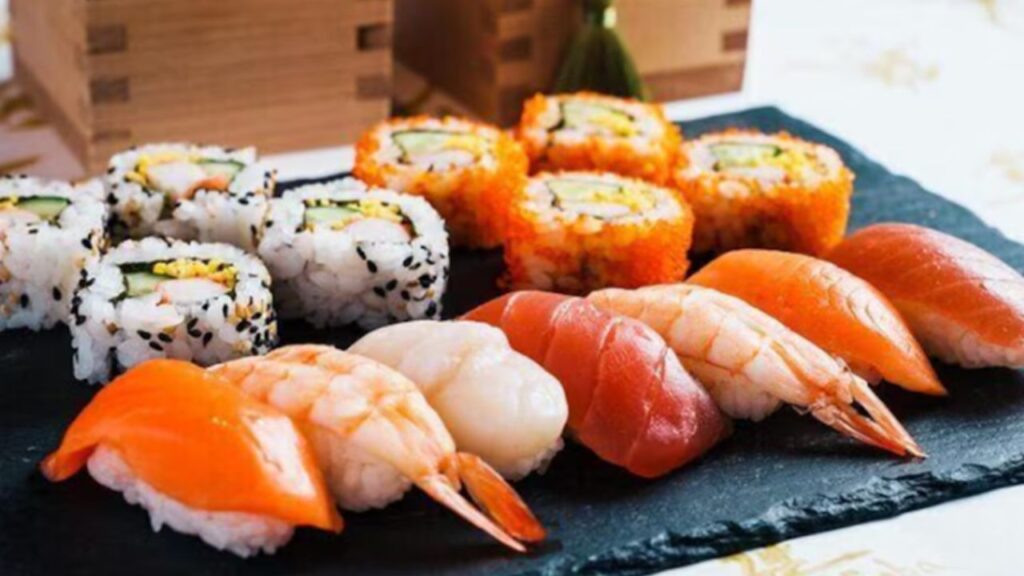
Sushi is one of Japan’s most iconic culinary traditions, but not all sushi is created equal. Across the country, regional variations reflect local ingredients, cultural influences, and centuries-old techniques. Exploring these styles offers a delicious way to discover Japan’s diverse food heritage.
Edo-Style Sushi (Tokyo)
Edo-style sushi, or Edomae-zushi, originated in Tokyo (formerly Edo) during the 19th century. This style emphasizes fresh, high-quality seafood, often lightly marinated or cured to enhance flavor. Nigiri is the hallmark of Edomae-zushi, with fish pressed atop small portions of vinegared rice. Classic toppings include tuna, shrimp, and eel, showcasing simplicity and balance.
Osaka-Style Sushi
In Osaka, sushi takes on a pressed form called oshizushi. Fish and rice are layered in wooden molds and compressed into rectangular shapes before slicing. This method preserves freshness and allows for intricate ingredient layering. Osaka’s approach often incorporates locally caught seafood, such as mackerel, giving it a distinct taste compared to Tokyo-style sushi.
Hokkaido: Fresh from the Sea
Hokkaido, Japan’s northernmost island, is renowned for its rich seafood. Sushi in this style emphasizes the natural flavors of fresh, uncooked seafood, including sea urchin, crab meat, and salmon eggs. The cold climate preserves the delicate flavors, making Hokkaido sushi a favorite for those seeking freshness and natural taste.
Kyushu and Western Japan
In Kyushu and other western regions, sushi often incorporates regional flavors and ingredients. Vinegar rice may be lighter, and local fish such as yellowtail or horse mackerel is commonly used. These areas also feature chirashi-zushi, a scattered sushi style with a variety of toppings over a bowl of rice, perfect for casual meals or celebrations.
Okinawa: Tropical Influence
Okinawa brings a tropical twist to sushi. While less traditional, sushi here sometimes features unique ingredients such as tropical fish, various seaweeds, or regional sauces. Okinawan sushi reflects the island’s distinct culture and culinary experimentation.
Japan’s regional sushi styles demonstrate the country’s culinary diversity and creativity. Each area offers a unique experience, influenced by local ingredients, historical traditions, and cultural preferences. Exploring these regional variations allows sushi lovers to appreciate the depth and artistry of Japanese cuisine.
This article was created by a team member at Suhi Inc., a lively restaurant known for serving some of the best sushi St Pete. Since opening in 2013, it has grown into a favorite neighborhood spot, offering live music, authentic hand-rolled sushi, and a warm, welcoming vibe that keeps guests coming back. Diners enjoy our inventive, freshly prepared sushi rolls, nigiri, and sashimi, along with award-winning flavors. We also feature a wide range of tempura, teriyaki, and other non-sushi dishes, ensuring there’s something delicious for everyone.
