
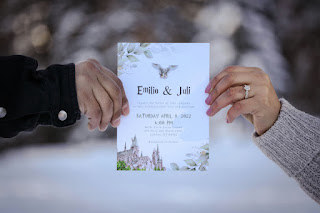
A wedding planning checklist for invitations, guest notes, and printed details should start about 10 to 12 months before the wedding and end one week before the event. The core order is simple: confirm guest names and addresses, choose a stationery style, send save-the-dates, finalize invitation wording, mail invitations, track RSVPs, then print day-of details such as programs, menus, escort cards, table numbers, welcome notes, and thank-you cards.
In 2026, printed wedding details matter because guest experience has become more personal and more expensive to coordinate. The Knot Worldwide’s study found that U.S. weddings in 2025 averaged $34,000, with 117 guests and $292 spent per guest. A missing RSVP, wrong meal count, or unclear arrival note can affect real budget decisions.
Why Printed Wedding Details Still Matter In 2026
Printed details still matter because they guide guests through a fast-moving event where timing, seating, meals, transportation, and family expectations all meet in one place.
Digital tools help with planning, but printed pieces still solve problems on the wedding day. A phone battery dies. A grandparent may not use QR codes. A guest may arrive late and need a program or escort card quickly. Printed details also reduce repeated questions for the couple, planner, venue coordinator, and wedding party.
Planning technology has also changed the way couples draft notes and wording. The same Knot report said 36% of engaged couples surveyed used AI during planning, mostly for early questions, inspiration, and drafting communications. That makes final human review more important, especially for names, etiquette, cultural wording, guest notes, and schedule details.
10 To 12 Months Before: Build The Guest List And Address File
Start with one clean guest list file before ordering any printed stationery. The file should include full names, mailing addresses, household groupings, plus-one status, children invited or not invited, meal needs, mobility notes, and RSVP status.
A strong guest list file prevents repeated corrections later. Use separate columns for:
- Formal envelope name
- Informal name for escort cards
- Mailing address
- Email and phone
- RSVP status
- Meal choice
- Allergies or access needs
- Table assignment
- Thank-you note status
For example, “Mr. Daniel Brooks and Ms. Elena Petrović” may appear on the outer envelope, while “Daniel and Elena” may work better on a table card. Couples with multicultural families should also confirm diacritics, spelling, title preferences, and name order early.
8 To 10 Months Before: Send Save-The-Dates
Save-the-dates should give guests the date, city, and wedding website before full invitation wording is ready. They are most useful for destination weddings, holiday weekends, and events with many out-of-town guests.
A printed save-the-date usually includes:
- Couple’s names
- Wedding date
- City and state or destination
- “Formal invitation to follow”
- Wedding website
Avoid adding too many unfinished details. Hotel blocks, registry links, dress code, shuttle timing, and meal options can live on the wedding website until the invitation suite is ready.
For couples still testing layout, colors, or photo placement before ordering printed save-the-dates, it helps to have a card generator for quick mockups that show how the design feels on an actual card.
4 To 6 Months Before: Design The Invitation Suite
A wedding invitation suite should include only the printed pieces guests need to respond and arrive correctly. Extra cards can look elegant, but they also raise printing, postage, and assembly costs.
| Printed piece | Main purpose | Best use |
| Invitation card | Announces ceremony and reception | Every wedding |
| Details card | Travel, hotel, dress code, website | Out-of-town guests or complex venues |
| RSVP card | Collects attendance and meal choice | Formal or traditional weddings |
| Reception card | Separates ceremony and reception info | Different venues or private ceremony |
| Weekend card | Lists welcome party, brunch, shuttle | Destination or multi-day weddings |
| Belly band or wrap | Holds suite together | Heavier suites, formal styling |
Keep the main invitation clean. Put hotel blocks, parking maps, shuttle notes, registry wording, and long dress-code explanations on a details card or website.
Invitation Wording Checklist
Invitation wording should answer who, what, when, and where without making guests search for basic facts.
Before approving the proof, check:
- Correct spelling of both names
- Host line, if parents or families are hosting
- Ceremony date and start time
- Venue name and full address
- Reception location, if different
- Dress code, if needed
- RSVP deadline
- Wedding website
- Adult-only or family wording, handled politely
A good invitation proofing method is to read every line aloud, then ask one person outside the planning process to review it. Fresh eyes catch missing apartment numbers, inconsistent date formats, and accidental wording gaps.
10 To 12 Weeks Before: Weigh And Test Mail Invitations
Weigh one fully assembled invitation before buying stamps for the full mailing. Envelope shape, weight, wax seals, ribbon, vellum wraps, acrylic cards, and layered paper can change the postage category.
As of late May 2026, the USPS price list shows a 1-ounce stamped First-Class Mail letter at $0.78, a 2-ounce letter at $1.07, and a postcard at $0.61. Letters with nonmachinable characteristics, including rigid or square formats, can carry a $0.49 surcharge.
USPS also filed planned July 2026 prices, including a Forever stamp increase from $0.78 to $0.82 and domestic postcards from $0.61 to $0.65. Couples mailing invitations close to July should check current postage before sending.
What Size Should Wedding Invitations Be?
Wedding invitations should stay within USPS letter dimensions when cost control matters. USPS says letter-size mail must be rectangular, at least 3.5 inches high by 5 inches long, and no more than 6.125 inches high by 11.5 inches long by 0.25 inches thick. Square, rigid, or unusually shaped pieces can cost more and may be damaged in processing, according to USPS letter guidance.
A 5-by-7-inch rectangular invitation is usually safer than a square suite. Heavy handmade paper can still be worth it, but budget for postage before ordering 120 envelopes.
6 To 10 Weeks Before: Mail Invitations
Mail wedding invitations 6 to 10 weeks before the wedding for most local or domestic events. For destination weddings, 10 to 12 weeks gives guests more time to book travel.
The Knot recommends sending invitations 6 to 10 weeks before the wedding and setting the RSVP deadline about 4 weeks before the wedding day. It also says RSVPs should be due at least 4 weeks before the wedding, and no later than 2 weeks before.
That timing gives the couple space to follow up, finish seating, confirm meals, order place cards, and send final headcounts to vendors.
Guest Notes Checklist: What To Say Without Overexplaining
Guest notes should be clear, warm, and brief. A good note answers a likely guest question before it becomes a text message to the couple.
Useful guest notes include:
- Parking instructions
- Shuttle pickup point
- Ceremony unplugged request
- Adult-only reception note
- Weather warning for outdoor ceremonies
- Shoe advice for grass, beach, or cobblestone
- Cultural or religious ceremony guidance
- Accessibility information
- QR code for weekend schedule
Example: “The ceremony will take place on grass. Block heels, wedges, or flats are recommended.”
Avoid defensive wording. A note about no children, limited parking, or formal attire should sound calm and direct.
4 Weeks Before: Lock RSVPs And Start Day-Of Printing
Four weeks before the wedding, the RSVP deadline should arrive. From that point, printed details move from design ideas to production files.
Order or finalize:
- Ceremony programs
- Welcome sign
- Seating chart
- Escort cards or place cards
- Table numbers
- Menus
- Bar signs
- Favor tags
- Guest book sign
- Memory table sign
- Reserved seating signs
- Welcome letters for hotel bags
If meal choices are tied to escort cards, use a discreet symbol or color system. For example, a small leaf icon can mark vegetarian meals, while a tiny fish icon can mark seafood. Share the key with catering staff, not with every guest.
2 To 3 Weeks Before: Finalize Names, Seating, And Quantities
Two to 3 weeks before the wedding, printed pieces should match the final guest list. The Knot notes that around the 2-week point, couples commonly confirm final counts with caterers, planners, venues, and other vendors waiting on guest numbers in its RSVP timing guide.
Check every printed name against the final spreadsheet. Small mistakes feel bigger on place cards because guests see them at the table. Pay attention to accents, hyphenated surnames, suffixes, and preferred first names.
Print 5% to 10% extra blank cards when possible. A last-minute guest, spelling fix, or table change is easier when paper stock still matches.
1 Week Before: Pack A Printed Details Box
One week before the wedding, gather every printed item into a labeled box for the planner, venue coordinator, or trusted friend.
Include:
- Full invitation suite for photography
- Ceremony programs
- Seating chart or escort cards
- Menus and place cards
- Table numbers
- Signage
- Guest notes
- Vow books
- Pens, tape, scissors, clips, and spare envelopes
Add a setup sheet with instructions. For example: “Menus go under napkins. Place cards sit above plates. Table 7 includes 2 vegetarian markers.”
Common Mistakes To Avoid
The most common mistake is treating stationery as decoration only. Wedding stationery is also a logistics system.
Avoid ordering before the guest list is stable. Avoid tiny type on detail cards. Avoid sending RSVP cards without postage if guests must mail them back. Avoid vague dress codes such as “dress nice.” Avoid printing a seating chart before late RSVPs are fully resolved.
For couples using QR codes, always include a short written fallback. A QR code for “full weekend schedule” is useful, but the invitation still needs the date, time, venue, and RSVP deadline in print.
Summary
A good wedding planning checklist for invitations, guest notes, and printed details protects the guest experience and the budget.
Start with a clean guest list, choose invitation pieces based on real guest needs, test postage, mail on schedule, set a firm RSVP deadline, and print day-of details only after names, meals, and seating are stable.
In 2026, the best wedding stationery feels personal, but it also works like a clear operating plan for the event.
