
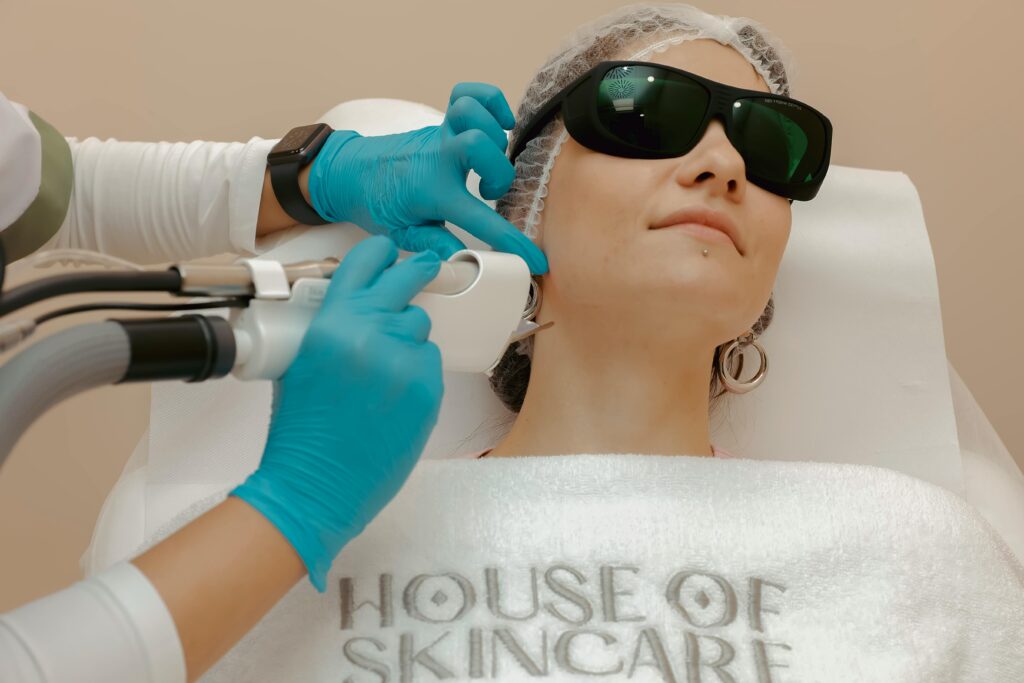
Modern skincare has evolved far beyond traditional creams and serums. Advances in technology have reshaped how cosmetic treatments are delivered, offering solutions that are more precise, efficient, and tailored to individual needs. Today’s cosmetic enhancements combine scientific innovation with aesthetic expertise, allowing patients to achieve noticeable improvements with less downtime and greater confidence. Understanding the technologies behind these treatments helps highlight why they have become such a central part of contemporary skincare routines.
The Rise of Energy-Based Treatments
Energy-based technologies have become a cornerstone of modern cosmetic procedures. These devices use controlled forms of energy such as light, radiofrequency, or ultrasound to stimulate the skin at deeper levels. Unlike topical treatments that only address surface concerns, these technologies penetrate the skin to encourage collagen production and cellular renewal.
This approach allows for gradual improvements in texture, tone, and tightness without the need for invasive surgery. Treatments can be adjusted to suit different skin types and concerns, making them versatile for a wide range of patients. As these tools continue to advance, they are becoming more efficient and comfortable, further increasing their popularity in skincare clinics.
Precision Through Laser Innovation
Laser technology has dramatically improved the way professionals address skin imperfections. From pigmentation issues to fine lines and acne scars, lasers provide targeted solutions that minimize damage to surrounding tissue. This precision reduces recovery time while enhancing the effectiveness of each treatment.
One notable advancement is the use of the CO2 laser, which is widely recognized for its ability to resurface the skin and stimulate collagen production. By removing damaged outer layers and promoting regeneration, it helps restore a smoother and more youthful appearance. While more intensive than some other options, it offers significant results for patients seeking deeper correction.
Laser treatments continue to evolve, with newer systems offering customizable settings that adapt to individual skin concerns. This flexibility ensures that patients receive treatments aligned with their specific goals rather than one-size-fits-all solutions.
Data-Driven Personalization in Skincare
Technology has also introduced a new level of personalization in cosmetic treatments. Advanced imaging systems and diagnostic tools now allow practitioners to analyze the skin in detail, identifying concerns that may not be visible to the naked eye. This data-driven approach leads to more accurate treatment plans and improved outcomes.
Customized skincare regimens can combine in-office procedures with at-home products designed to complement each other. Patients benefit from a cohesive plan that addresses both immediate concerns and long-term skin health. This shift toward personalization reflects a broader trend in healthcare, where treatments are increasingly tailored to the individual rather than generalized for the masses.
Minimally Invasive Techniques Gaining Momentum
Many patients today are looking for noticeable results without the risks or recovery time associated with surgery. Minimally invasive treatments have become the answer, offering effective solutions with reduced downtime. Injectable treatments, microneedling, and energy-based procedures all fall into this category.
These options allow patients to enhance their appearance gradually, often returning to daily activities immediately after treatment. The convenience factor plays a major role in their appeal, especially for individuals with busy lifestyles. As techniques improve, the line between surgical and non-surgical results continues to blur, giving patients more flexibility in how they approach cosmetic enhancements.
Integration of Skincare and Technology at Home
Professional treatments are now being complemented by advanced at-home devices. From LED light therapy masks to smart skincare tools, consumers have access to technology that supports ongoing skin maintenance between appointments. These devices are designed to be user-friendly while still delivering meaningful benefits.
This integration of professional and at-home care creates a continuous cycle of improvement. Patients can maintain results longer and address minor concerns as they arise. The accessibility of these tools also empowers individuals to take a more active role in their skincare routines, bridging the gap between clinical treatments and daily care.
The Future of Cosmetic Skincare Technology
Innovation in cosmetic technology shows no signs of slowing down. Artificial intelligence, machine learning, and advanced biomaterials are beginning to influence how treatments are developed and delivered. These advancements promise even greater precision, faster results, and more personalized experiences.
As research continues, the focus remains on improving both effectiveness and patient comfort. New devices and techniques are designed to deliver strong results while minimizing discomfort and recovery time. This balance ensures that cosmetic enhancements remain approachable and appealing to a broader audience.
Conclusion
The evolution of skincare technology has transformed cosmetic enhancements into a highly precise and personalized field. From energy-based treatments and laser innovations to data-driven planning and at-home devices, today’s options offer more flexibility and effectiveness than ever before. As technology continues to advance, patients can expect even greater improvements in how treatments are delivered and experienced. By understanding these innovations, individuals can make informed choices that align with their goals and enjoy the benefits of modern skincare with confidence.
