
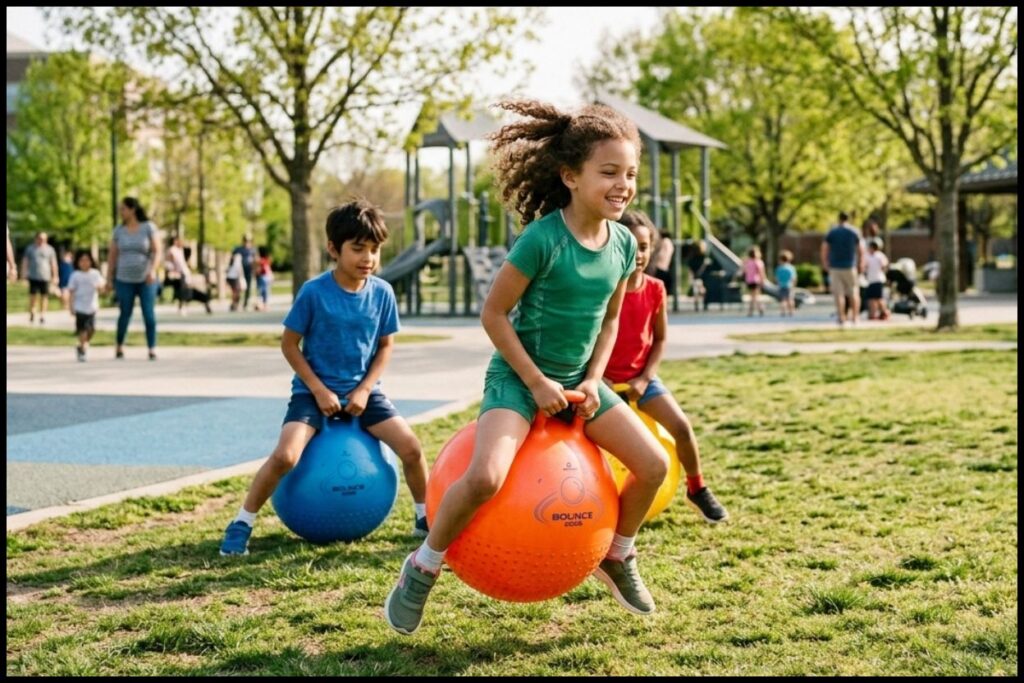
The space hopper has returned as a powerful symbol of joyful movement, creative play, and simple outdoor excitement. Although it first gained fame decades ago, it now stands at the center of modern discussions about healthy activities for children in 2025 and 2026. Families want engaging ways to reduce screen time, and this classic bouncing ball offers a solution that feels both fresh and timeless.
Unlike complex electronic toys, a space hopper relies on motion, balance, and energy. As a result, it encourages children to explore physical movement in a playful way. In addition, schools and recreation centers continue to include it in group activities because it builds coordination while keeping fun at the core.
This detailed guide explores everything about the space hopper, including design improvements, physical benefits, safety guidance, buying advice, and its growing role in modern childhood development.
The Evolution of the Space Hopper
From Retro Toy to Modern Essential
The space hopper began as a simple inflatable bouncing ball with handles. Over time, manufacturers refined the material, shape, and grip design to improve durability and safety. Today’s models use stronger PVC blends that resist punctures and hold air for longer periods.
Moreover, designers now focus on ergonomic comfort. For example, modern handles support smaller hands better, which reduces slipping during energetic play. In addition, the outer surface often includes textured patterns that improve grip.
As families seek healthier lifestyles in 2025 and 2026, this classic bouncing toy has found a new purpose. It now represents active childhood rather than just nostalgic entertainment.
How a Space Hopper Works
The Science Behind the Bounce
A space hopper functions through air pressure and body movement. When a child sits on the inflatable ball and grips the handles, they push their feet against the ground. That force compresses the air inside, creating rebound energy. As a result, the ball pushes upward, allowing the rider to bounce forward.
Balance plays a major role in this motion. The rider must adjust posture constantly. Therefore, muscles in the legs, core, and back work together to maintain control.
Additionally, rhythmic bouncing strengthens coordination between body and brain. Over time, children improve reaction speed and stability without even realizing they are exercising.
Physical Benefits of Using a Space Hopper
Strength and Muscle Development
A space hopper may look simple; however, it activates several muscle groups at once. Leg muscles generate power with each jump. Meanwhile, abdominal muscles stabilize the torso. Back muscles help maintain posture.
Consequently, regular play improves overall strength. Unlike structured gym exercises, bouncing feels enjoyable rather than demanding. This natural movement encourages longer activity sessions.
Improved Balance and Coordination
Balance skills grow through repeated motion. Since the surface beneath a space hopper constantly shifts, children must adjust their body position quickly. Therefore, they develop sharper coordination.
Furthermore, improved balance supports other sports such as football, basketball, and cycling. Early balance training lays a strong foundation for future athletic performance.
Cardiovascular Activity
Although it seems playful, bouncing increases heart rate. Continuous motion supports cardiovascular health. In 2026, health experts emphasize daily physical activity for children, and the space hopper fits perfectly into this goal.
Regular bouncing sessions of 15 to 20 minutes provide meaningful movement without overwhelming young bodies.
Mental and Emotional Benefits
Boosting Confidence
Mastering balance on a space hopper gives children a sense of achievement. At first, they may wobble. However, steady practice improves control. This progress builds self-confidence.
Children who overcome small challenges develop resilience. Therefore, a simple bouncing session can strengthen emotional growth.
Reducing Stress
Physical movement releases tension. After school hours, many children feel mental fatigue. Bouncing outdoors refreshes their mood. In addition, fresh air and sunlight enhance overall well-being.
Because the activity feels like play rather than exercise, children relax while staying active.
Space Hopper in Schools and Communities
Physical Education Programs
Schools in 2025 increasingly incorporate fun equipment into physical education classes. A space hopper allows teachers to organize relay races and balance challenges.
Group activities also encourage teamwork. For example, children may compete in controlled bouncing races. This creates excitement while reinforcing safe movement rules.
Community Events and Competitions
Community fairs sometimes host hopping contests. Such events bring families together. Moreover, they promote active living through simple, affordable equipment.
Local recreation centers also include space hopper sessions in children’s fitness programs. Therefore, its popularity continues to grow.
Choosing the Right Space Hopper
Selecting the Correct Size
Size matters when buying a space hopper. Smaller children require a lower diameter ball to maintain balance safely. Older children can handle larger sizes.
In general:
- 45 cm suits younger children.
- 55–65 cm works well for older kids.
- Larger versions exist for teens.
Selecting the proper size ensures safety and comfort.
Material and Quality
High-quality PVC improves durability. Thick material prevents air leakage and extends lifespan. Additionally, reinforced seams protect against sudden bursts.
Buyers in 2026 often look for non-toxic materials. Safety certifications also add peace of mind.
Handle Design
Strong handles reduce the risk of slipping. Textured grips improve control during energetic bouncing. Therefore, always inspect and handle firmness before purchase.
Safety Guidelines for Safe Play
Proper Inflation
Correct air pressure ensures stable bouncing. Over-inflation may increase bursting risk. Under-inflation reduces bounce and balance.
Use a reliable pump and follow manufacturer instructions carefully.
Safe Environment
Choose a flat surface such as grass or a playground mat. Avoid sharp stones or rough concrete. Supervision remains important for younger children.
Encourage protective footwear. In addition, clear nearby obstacles to prevent collisions.
Space Hopper and Screen-Free Childhood
Digital devices dominate modern life. However, parents increasingly seek alternatives that promote real movement. A space hopper offers physical engagement without requiring batteries or charging.
Children naturally enjoy bouncing outdoors. As a result, families report reduced screen time when active toys remain accessible.
In 2025 and 2026, child development specialists emphasize balanced routines. Outdoor play strengthens creativity and imagination. Therefore, integrating traditional toys supports healthier habits.
Space Hopper Trends in 2025 and 2026
Eco-Friendly Manufacturing
Environmental awareness influences toy production. Many companies now use recyclable materials and reduced packaging. Sustainable manufacturing supports long-term environmental goals.
Consequently, parents prefer brands that prioritize eco-conscious production.
Modern Design Innovations
Bright colors and themed prints attract younger users. Some models feature glow-in-the-dark surfaces. Others include improved anti-slip textures.
Manufacturers continue refining air valve systems for easier inflation. These upgrades enhance convenience for busy parents.
Fitness Integration
Some fitness trainers incorporate space hopper exercises into youth programs. Short bouncing sessions serve as warm-up routines.
Because the movement feels playful, children participate eagerly. This combination of fun and fitness increases long-term engagement.
Creative Games Using a Space Hopper
Relay Races
Organize small teams and set simple start and finish lines. Each participant bounces forward and returns before tagging the next teammate. This builds teamwork and excitement.
Obstacle Courses
Create safe paths using cones or soft objects. Riders navigate carefully around obstacles. Therefore, they sharpen control and focus.
Balance Challenges
Encourage children to pause mid-bounce and maintain stillness. This improves stability and concentration.
Maintenance and Care
Cleaning and Storage
Wipe the surface with a damp cloth after outdoor use. Avoid harsh chemicals. Proper cleaning prevents dirt buildup.
Store the space hopper in a cool, dry place. Keep it away from direct sunlight for long periods. Excess heat may weaken material over time.
Air Pressure Checks
Inspect inflation levels weekly if used frequently. Minor air loss occurs naturally. Therefore, occasional refilling maintains optimal performance.
Why Space Hopper Remains Relevant
The world continues evolving rapidly. Nevertheless, certain toys maintain value because they meet basic human needs for movement and joy. The space hopper succeeds because it combines exercise, entertainment, and simplicity.
Unlike complex gadgets, it requires no updates or connectivity. Instead, it invites children to rely on physical skill and creativity.
As 2026 approaches, families focus more on holistic wellness. Outdoor play supports mental clarity, physical strength, and social interaction. Therefore, the space hopper remains more than a toy; it becomes a tool for balanced growth.
Long-Term Impact on Child Development
Building Healthy Habits
Children who engage in regular physical activity often maintain active lifestyles into adulthood. A space hopper introduces movement early in life.
Consistent bouncing sessions encourage routine exercise. Therefore, children associate fitness with enjoyment rather than obligation.
Social Interaction Skills
Playing with others develops communication skills. Group hopping games foster cooperation and friendly competition.
Shared laughter strengthens relationships. Consequently, children develop stronger social bonds.
Conclusion on Space Hopper in 2025 and Beyond
The space hopper stands as a symbol of joyful movement in an increasingly digital world. It supports physical strength, emotional confidence, and social interaction without complexity.
Modern improvements in safety, material quality, and eco-friendly production ensure it remains relevant in 2025 and 2026. Furthermore, its affordability makes it accessible to families worldwide.
When children bounce freely across a safe outdoor space, they experience pure motion and excitement. Therefore, this timeless inflatable ball continues shaping healthier, happier childhoods.
The future of play does not always require advanced technology. Sometimes, lasting impact comes from something as simple as a space hopper.
